

- Home
- .
- Azadi
Why Azadi?
The rapid and relentless expansion of Tehran in its pursuit of comprehensive progress—particularly in the realms of urban development and architecture—has made the city complex to comprehend from historical, social, cultural, and geographical perspectives. Holding the title of capital for many years, Tehran encountered significant economic transformations beginning in the 1950s. While housing development and urban welfare have remained primary challenges for this metropolis over the past century, Tehran, indifferent to these obstacles, has consistently accelerated along the path of modernization and urban renewal. Within this context, from the mid-1960s onward, symbols of national identity—anchored by arts such as architecture—began to occupy a prominent position.
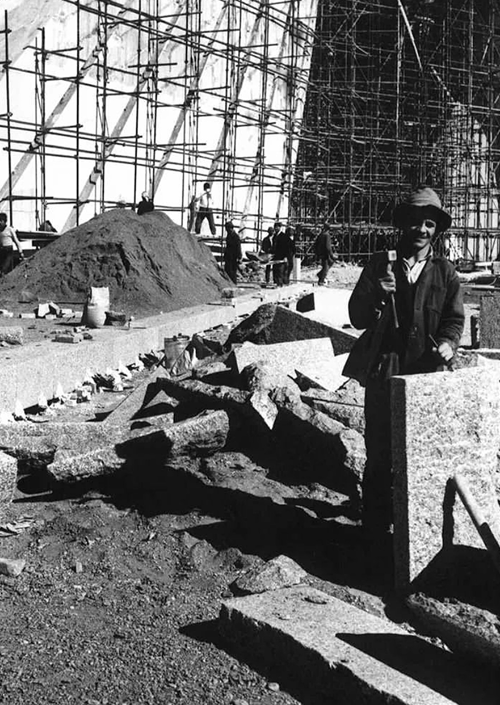
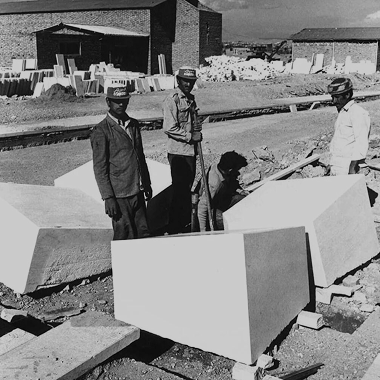
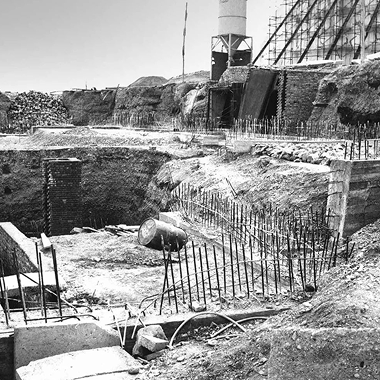
To examine these invaluable structures, we must understand the historical context and the tumultuous evolution of contemporary Iranian architecture, while properly grasping the significance of each work within the urban fabric.
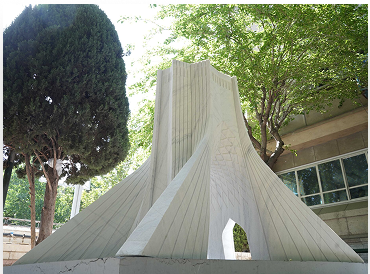
Our professional history is deeply intertwined with one of Iran's most iconic urban landmarks; a connection that evokes an indistinct and profound sentiment within us. It is a feeling filled with "ifs and buts"—reflections that bring nothing but yearning: the yearning for the lost visions and determination of those who, years ago, created enduring masterpieces; works whose recreation in the present era seems arduous and, at times, beyond reach.
- Home
- .
- Azadi
Why Azadi?
The rapid and relentless expansion of Tehran in its pursuit of comprehensive progress—particularly in the realms of urban development and architecture—has made the city complex to comprehend from historical, social, cultural, and geographical perspectives. Holding the title of capital for many years, Tehran encountered significant economic transformations beginning in the 1950s. While housing development and urban welfare have remained primary challenges for this metropolis over the past century, Tehran, indifferent to these obstacles, has consistently accelerated along the path of modernization and urban renewal. Within this context, from the mid-1960s onward, symbols of national identity—anchored by arts such as architecture—began to occupy a prominent position.
To examine these invaluable structures, we must understand the historical context and the tumultuous evolution of contemporary Iranian architecture, while properly grasping the significance of each work within the urban fabric. Our professional history is deeply intertwined with one of Iran's most iconic urban landmarks; a connection that evokes an indistinct and profound sentiment within us. It is a feeling filled with "ifs and buts"—reflections that bring nothing but yearning: the yearning for the lost visions and determination of those who, years ago, created enduring masterpieces; works whose recreation in the present era seems arduous and, at times, beyond reach.